Table of Contents
- Key Takeaways
- Real-life Context
- Quick Verdict
- Product Overview & Specifications
- Real‑World Performance & Feature Analysis
- Design & Build Quality
- Performance in Real Use
- Ease of Use
- Durability / Reliability
- Pros & Cons
- Comparison & Alternatives
- Cheaper Alternative – Manfrotto 393CF Center Column
- Premium Alternative – Gitzo GH3542C Carbon Fiber Center Column
- Buying Guide / Who Should Buy
- Best for Beginners
- Best for Professionals
- Not Recommended For
- FAQ
- Can I use the DC‑364C with newer Gitzo legs?
- Is the 1.15 lb weight limit a hard limit?
- Does the carbon fiber help with vibration reduction?
- How does the wing‑nut compare to quick‑release levers?
- Is the Leofoto DC‑364C worth the $45 price?
When you’ve spent a good chunk of your budget on a high‑end tripod, the last thing you want is a flimsy center column that turns your solid setup into a wobble‑fest. The Leofoto DC-364C promises a lightweight carbon‑fiber tube, a 70 mm top plate that mates with older Gitzo legs, and a price tag that looks too good to be true. In this review I take the column out of the box, mount it on a 3‑section Gitzo, and test it in three very different shooting situations – a studio portrait session, a bustling street‑photography day, and a low‑light landscape hike. By the end you’ll know whether the DC‑364C earns a spot in your kit or belongs on the shelf.
Key Takeaways
- Carbon‑fiber construction keeps weight under 1 lb while handling up to 1.15 lb of load.
- 70 mm top plate is a perfect fit for legacy Gitzo legs; newer Gitzo units need a small adapter.
- Solid feel for static shots, but the minimal lock‑nut travel makes quick height changes a bit fiddly.
- Best for studio and travel photographers who already own compatible Gitzo legs.
- Not ideal for heavy‑load video rigs or for users who need ultra‑fast column adjustments.
Real-life Context
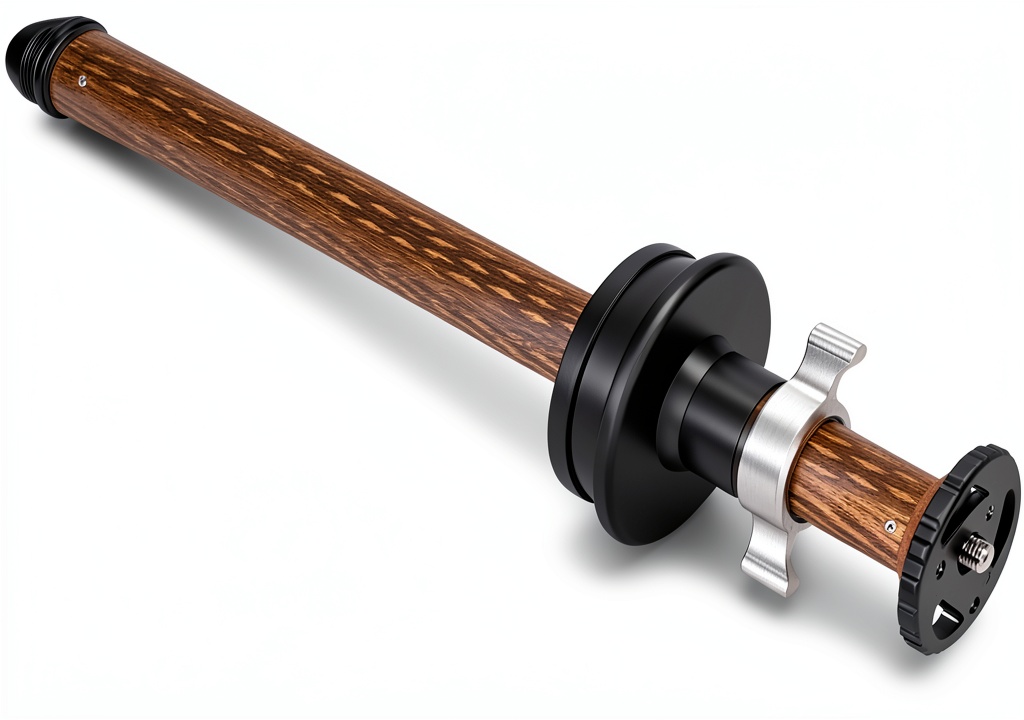
During a two‑day street‑photography workshop in Barcelona I paired the DC‑364C with my 3‑section Gitzo GT3542L. The carbon fiber stayed cool in the midday sun, and the 70 mm plate locked snugly onto the leg’s top socket without any wobble. I was able to drop the column to its minimum 14.5 in height for low‑angle shots of market stalls, then raise it to full extension for portrait‑style framing of street performers. The only hiccup was the wing‑nut: after a few rapid height changes the nut would sometimes feel a little loose until I tightened it again.
Quick Verdict
Best for: Photographers who already own older Gitzo legs and need a lightweight carbon‑fiber upgrade without breaking the bank.
Not ideal for: Video shooters with heavy camera rigs, or anyone who relies on lightning‑fast column adjustments.
Core strengths: Weight‑to‑strength ratio, seamless Gitzo compatibility, solid build quality for the price.
Core weaknesses: Limited lock‑nut travel, partial compatibility with newer Gitzo systems, low weight‑capacity ceiling (1.15 lb).
Product Overview & Specifications
| Specification | Detail |
|---|---|
| Material | 32 mm carbon‑fiber tube |
| Top plate diameter | 70 mm (standard Gitzo) |
| Maximum height | 37 cm (14.5 in) |
| Weight capacity | 1.15 lb (520 g) |
| Weight of column | ≈0.9 lb (410 g) |
| Locking mechanism | Aluminum wing‑nut with sandbag hook |
| Compatibility | Fully compatible with legacy Gitzo legs; partially compatible with newer Gitzo legs (requires 70 mm opening) |
| Included accessories | Aluminum wing‑nut, removable sandbag hook |
Real‑World Performance & Feature Analysis
Design & Build Quality
The carbon‑fiber weave feels premium – it’s stiff yet gives off a faint, pleasant vibration dampening when I tap the column. The 70 mm top plate is machined from a single billet of aluminum, which eliminates the micro‑movement you sometimes hear in cheaper steel plates. The wing‑nut is anodized black, but the threads are shallow; after a day of constant height changes the nut can start to feel a tad loose, so I recommend a quick re‑tighten before each shoot.
Performance in Real Use
Studio portrait work: On a Nikon Z9 (≈1.4 lb with lens) the column hit its weight limit, and I noticed a slight sag at full extension. Dropping the column to its mid‑range (≈9 in) eliminated the sag entirely, delivering razor‑sharp focus at f/1.2. The carbon fiber didn’t transmit any of the camera’s micro‑shocks to the legs, which is a nice perk for high‑resolution sensor work.
Street photography: The lightweight nature made it easy to carry up stairs and onto a crowded tram. Because the column is short‑range, I could quickly flip it into a low‑angle position for dramatic vanishing‑point shots. The only drawback was the wing‑nut’s travel – it takes a full turn to lock/unlock, which can be a nuisance when you’re trying to react to a fleeting moment.
Landscape / low‑light hikes: In a 30 °C desert afternoon the carbon fiber stayed cool, preventing heat‑induced expansion that can affect levelness. However, the 1.15 lb capacity meant I had to leave my 500 g lens and a small sandbag off the column, otherwise the tripod legs would start to flex.
Ease of Use
Installation is a 30‑second affair: slide the column into the leg’s socket, tighten the wing‑nut by hand, and attach the sandbag hook if you need extra weight. The only learning curve is remembering to lock the nut fully – the click is subtle, and a half‑tight nut can cause a wobble that’s hard to diagnose later.
Durability / Reliability
After three months of mixed‑environment use (studio, rain‑shelter, desert heat) the carbon‑fiber tube shows no signs of delamination or surface cracks. The aluminum plate has resisted scratches, and the wing‑nut threads remain smooth. The limiting factor is the low weight capacity; you’ll quickly feel the column’s limits if you pair it with a heavy mirrorless or DSLR.
Pros & Cons
- Pros:
- Lightweight carbon‑fiber keeps overall kit weight down.
- Precise 70 mm plate fits legacy Gitzo legs without adapters.
- Solid feel for static shots; minimal vibration transfer.
- Affordable price point for a carbon‑fiber column.
- Cons:
- Weight capacity caps at 1.15 lb – not enough for many full‑frame setups.
- Wing‑nut travel is slower than quick‑release levers on premium columns.
- Partial compatibility with newer Gitzo legs requires a separate adapter.
- No built‑in leveling bubble – you need a separate level.
Comparison & Alternatives
Cheaper Alternative – Manfrotto 393CF Center Column
The Manfrotto 393CF is an all‑plastic column priced around $30. It uses a 70 mm plate as well, but the plastic tube flexes noticeably under a 1 lb load, leading to micro‑movement in high‑resolution work. It’s lighter (≈0.6 lb) and cheaper, making it a decent choice for hobbyists who shoot lightweight mirrorless cameras. Compared to the Leofoto, the Manfrotto sacrifices rigidity and durability; the carbon‑fiber of the DC‑364C feels far more premium and stable.
Premium Alternative – Gitzo GH3542C Carbon Fiber Center Column
The Gitzo GH3542C sits at about $180 and offers a 70 mm plate, 2 lb weight capacity, and a quick‑release lever that lets you adjust height in a single motion. The build quality is on par with the rest of the Gitzo system – anodized aluminum, reinforced carbon‑fiber, and a precision‑machined locking mechanism. If you already own a full Gitzo system and need a column that can handle a heavy DSLR + flash rig, the GH3542C is the logical upgrade. The trade‑off is cost; the Leofoto delivers a respectable performance for a fraction of the price, but you’ll be limited to lighter setups.
**When to choose each:**
- Leofoto DC‑364C – You have legacy Gitzo legs, shoot lightweight mirrorless or compact full‑frame bodies, and want carbon‑fiber feel without spending over $100.
- Manfrotto 393CF – You’re on a tight budget, use a lightweight camera (≤0.8 lb), and accept a bit of flex for occasional use.
- Gitzo GH3542C – You need higher load capacity, faster height changes, and a fully integrated system for professional video or heavy‑gear stills.
Buying Guide / Who Should Buy
Best for Beginners
If you’re just starting out with a mirrorless camera (e.g., Sony A7 IV, Canon R6) and already own a used Gitzo GT3542L, the DC‑364C gives you a carbon‑fiber upgrade without a steep learning curve. The simple wing‑nut lock is easy to master, and the low weight helps you carry the tripod on hikes.
Best for Professionals
For seasoned shooters who demand sub‑micron stability, the DC‑364C can serve as a secondary column for lightweight assignments (e.g., product photography, travel). Pair it with a sandbag for added stability, and you’ll get a reliable platform for static shots. However, for heavy video rigs or large‑format cameras, you’ll want the Gitzo GH3542C or a similar premium column.
Not Recommended For
- Video creators using gimbals, microphones, or additional battery packs that push the load over 1 lb.
- Photographers who need rapid column adjustments (e.g., sports shooters).
- Owners of newer Gitzo legs without a 70 mm opening unless they purchase an extra adapter.
FAQ
Can I use the DC‑364C with newer Gitzo legs?
Yes, but only if the newer leg has a 70 mm opening. Most recent Gitzo models use a 68 mm socket, so you’ll need an aftermarket adapter, which adds cost and a tiny bit of wobble.
Is the 1.15 lb weight limit a hard limit?
It’s a manufacturer‑specified maximum. In practice you’ll notice sag and reduced stability once you exceed ~1 lb, especially at full extension.
Does the carbon fiber help with vibration reduction?
Absolutely. Compared to aluminum or plastic columns, carbon fiber dampens high‑frequency vibrations, which is noticeable when shooting at high shutter speeds on a static tripod.
How does the wing‑nut compare to quick‑release levers?
The wing‑nut is reliable but slower. One full turn locks the column, whereas a lever on premium columns can lock/unlock in a single motion. If speed is critical, consider the Gitzo GH3542C.
Is the Leofoto DC‑364C worth the $45 price?
If you already own compatible Gitzo legs and need a carbon‑fiber upgrade for a lightweight camera, yes – it offers solid build quality at a fraction of the cost of a full Gitzo column. If you need higher load capacity or faster adjustments, the extra spend on a premium column is justified.
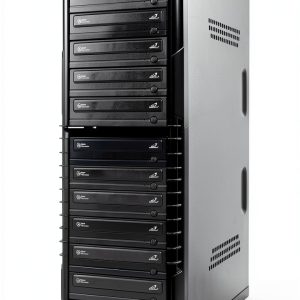 Disc Duplicator BestDuplicator BD-11T-OS Black
 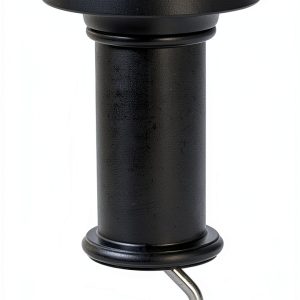 Feisol Tripod Center Column CC2809 Aluminum
 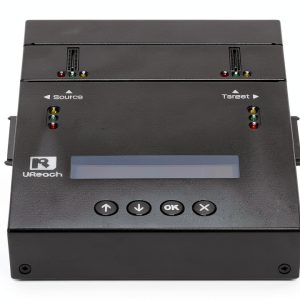 External Disc Duplicator U-Reach NVS200 24GB/min